festival · India
Karwa Chauth 2026: Date, Puja Vidhi, Vrat Katha & Rituals
Learn about Karwa Chauth 2026 on 29 October, including puja vidhi, sargi, vrat katha, puja thali essentials and moonrise rituals with this simple guide.
Team ShaadiFever
India · 9 min read
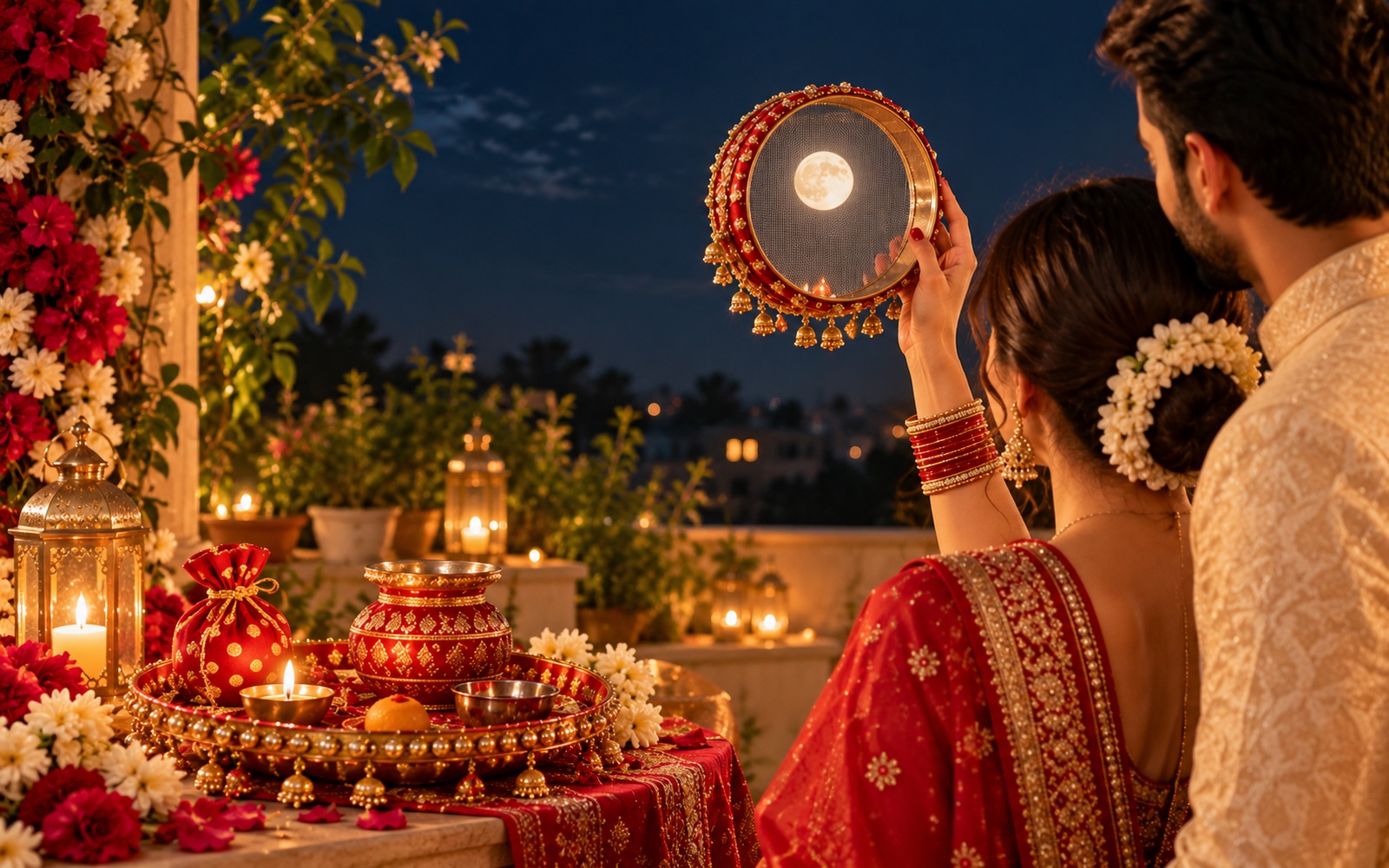
Best time: Thu 29 Oct 2026, evening puja muhurat and moonrise vary by city. Please confirm timings with a local panchang.
Karwa Chauth is a festival observed with devotion, faith and togetherness. For many Hindu families across India, it is a day of prayer and reflection, when married women traditionally observe a nirjala fast from sunrise to moonrise and pray for the long life, health and wellbeing of their husbands.
From the early-morning sargi and the preparation of the puja thali to the evening Karwa Chauth katha and the much-awaited moonrise, every ritual carries its own significance. Families celebrate the occasion in different ways, passing traditions from one generation to the next.
Whether you are observing your first Karwa Chauth, learning the rituals as a newlywed or helping a family member prepare for the day, this guide explains the Karwa Chauth 2026 date, puja vidhi, vrat katha and essential rituals in simple, respectful language.
Karwa Chauth 2026: Date, Puja Muhurat and Moonrise
Karwa Chauth will be observed on Thursday, 29 October 2026. The festival falls on Krishna Paksha Chaturthi, the fourth day of the waning lunar phase in the Hindu calendar.
The Karwa Chauth puja muhurat and moonrise timings vary by city. Women observing the fast should check a reliable local panchang for the correct timings in their area rather than follow a single time for the entire country.
The traditional fast begins before sunrise, after sargi, and continues until the moon is sighted and the customary prayers and offerings are completed.
Sargi: The First Ritual of Karwa Chauth
Sargi is the pre-dawn meal traditionally prepared by the mother-in-law for her daughter-in-law. It is eaten before sunrise and marks the beginning of the day’s fast.
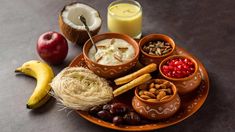
A traditional sargi thali may include fruits, dry fruits, sweets, milk and other nourishing foods. The exact menu varies from family to family, with many households including homemade dishes that have been part of their family tradition for years.
After sargi, women begin their fast. The day may include household preparations, rest, mehndi and time spent with family. Many women apply mehndi a day or two in advance so they can enjoy the festivities without rushing.
What Goes into a Karwa Chauth Puja Thali?
Preparing the puja thali in advance makes the evening rituals easier. Common items include:
- Karwa or karva: A small pot, traditionally used for holding water for the ritual offering.
- Chhalni: The sieve used during the moon-viewing ritual.
- Diya: A lamp lit during the puja.
- Roli and chawal: Used for traditional tilak and offerings.
- Flowers and sweets: Offered as part of the prayers.
- Water for arghya: Used for the customary offering to the moon.
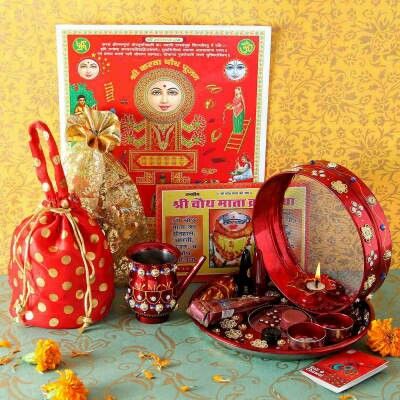
The exact contents of the thali may differ according to regional and family traditions.
Karwa Chauth Puja Vidhi: Step-by-Step Rituals
The evening puja is one of the most significant parts of Karwa Chauth. Women dress in festive attire, arrange their puja thalis and gather for prayers and the traditional vrat katha.
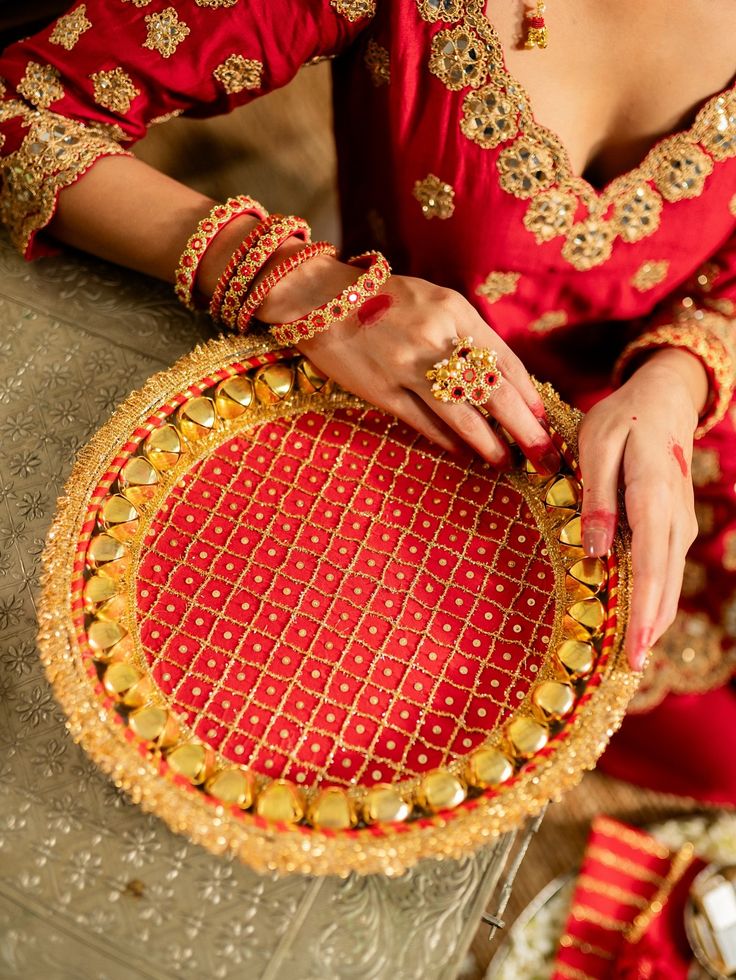
While the details vary across communities, a commonly followed Karwa Chauth puja vidhi includes the following steps:
- Prepare the puja area: Arrange the puja thali, karwa, diya, flowers, roli and other customary items.
- Light the diya and offer prayers: Begin the puja with folded hands and make the traditional offerings according to family custom.
- Listen to the Karwa Chauth vrat katha: The story is traditionally recited or heard during the evening gathering.
- Participate in the thali ritual: In many communities, women exchange or circulate their thalis as part of the customary prayers.
- Seek blessings: Offer prayers for the wellbeing of the family and seek blessings from elders.
- Perform the moonrise ritual: Once the moon is visible, offer arghya according to tradition and complete the customary prayers before breaking the fast.
In many families, the husband offers his wife the first sip of water after the moon-viewing ritual. The couple then breaks the fast and shares a meal.
Since customs differ across regions and households, it is best to follow the practices traditionally observed by your family. For dressing comfortably and modestly for the long day, see our companion guide on Karwa Chauth Outfit Trends 2026.
Karwa Chauth Vrat Katha: The Story of Queen Veeravati
The Karwa Chauth vrat katha is an important part of the evening observance. Several versions of the story are told across regions, with the tale of Queen Veeravati among the most widely known.
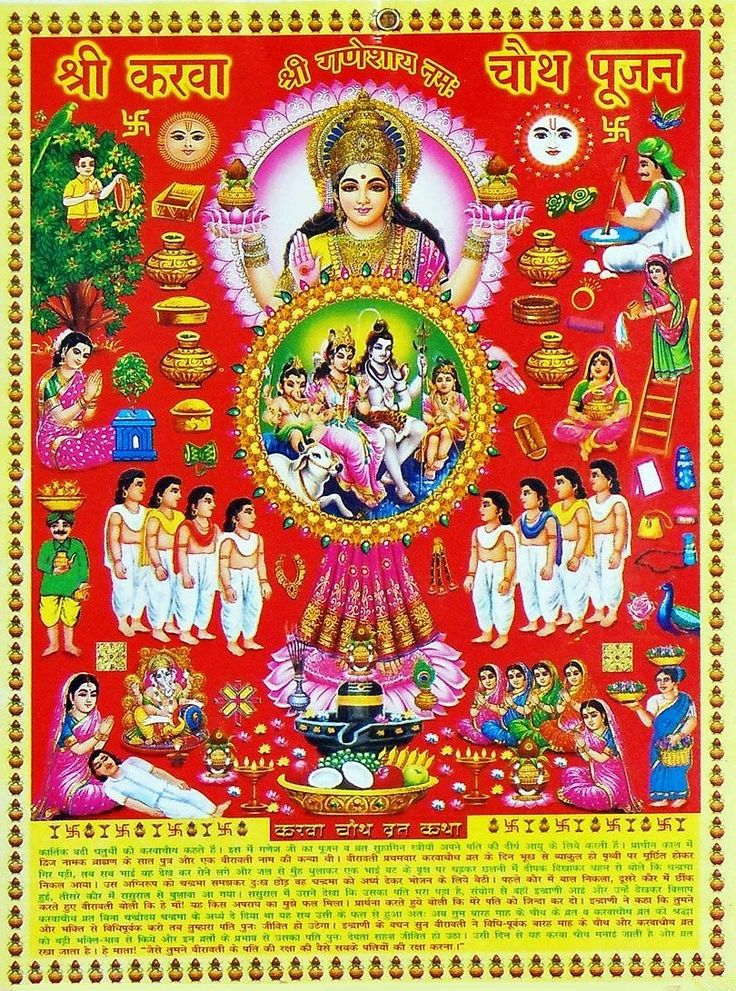
According to a popular traditional telling, Veeravati was a young woman observing her first Karwa Chauth at her parents’ home. As the hours passed, hunger and thirst became difficult to bear. Her brothers, concerned about their sister, devised a way to make her believe that the moon had risen. They used a light and a mirror to create the appearance of moonrise and persuaded her to break her fast.
After she broke her fast, she learned that the moon had not truly risen. In the story, her husband subsequently fell gravely ill. Veeravati prayed with deep devotion and observed the fast again with sincerity. Her prayers and devotion eventually led to her husband’s recovery.
The story is traditionally understood as a reminder of faith, patience and devotion. Its telling is an integral part of Karwa Chauth in many households, although the wording and details may vary between family traditions.
For first-time observers, listening to the katha alongside an elder can be a lovely way to learn the rituals and understand their significance.
Karwa Chauth Moonrise Ritual: Looking at the Moon Through a Chhalni
The moonrise ritual is often the most anticipated moment of Karwa Chauth. After a day of fasting, women wait for the moon to appear before completing the traditional prayers.
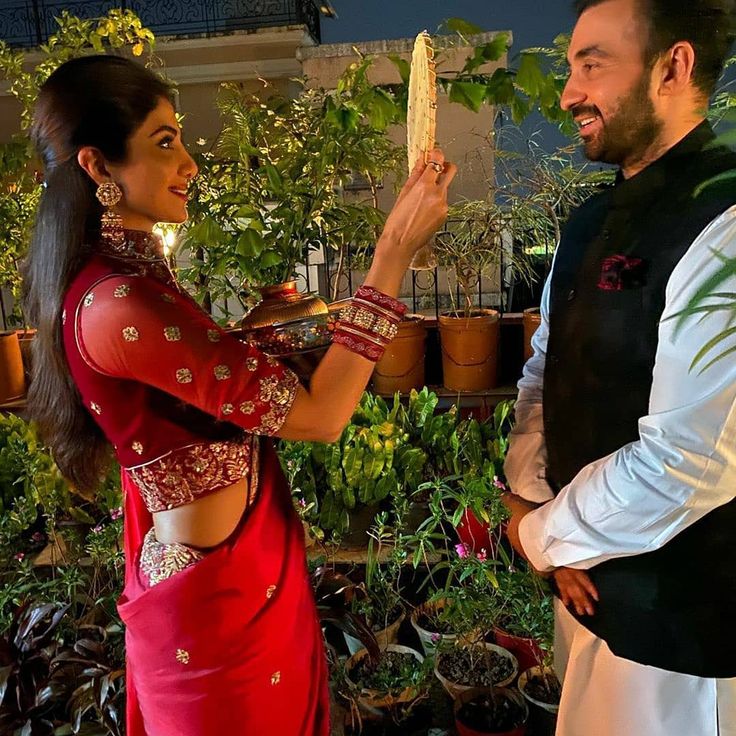
The commonly followed ritual involves:
- Looking at the moon through a chhalni.
- Offering water to the moon as part of the customary arghya.
- Saying prayers according to family tradition.
- Looking at one’s husband through the sieve in many communities.
- Breaking the fast, often with the husband offering the first sip of water.
The sieve, decorated thali and glowing diya have become familiar symbols of Karwa Chauth, representing a ritual that many families look forward to celebrating together each year.
Cloud cover can sometimes delay the sighting of the moon. In such circumstances, families may follow the guidance of their elders or a trusted local religious authority regarding the customary timing and procedure.
Breaking the Karwa Chauth Fast
After the moon-viewing ritual and prayers, women traditionally break their fast with water, followed by sweets or a meal shared with family.
After a full day without food or water, it is sensible to resume eating gradually. Start with water and, if comfortable, a light snack before moving on to a regular meal. Avoid rushing into a very heavy meal immediately.
A nirjala fast can be physically demanding. Anyone who is unwell, pregnant, taking medication or managing a health condition should seek appropriate medical advice before undertaking a prolonged fast. Observing the festival in a way that protects one’s health is important.
Karwa Chauth Traditions: What First-Time Observers Should Know
If you are observing Karwa Chauth for the first time, a little preparation can help you feel more comfortable with the rituals.
- Speak to an elder beforehand: Ask about your family’s customs, the katha, the puja sequence and the items required for the thali.
- Prepare the puja essentials early: Keep the karwa, chhalni, diya, flowers, roli, chawal and other customary items ready before the evening.
- Plan your outfit and mehndi in advance: This leaves more time for the rituals and family gatherings. Our main edit on Karwa Chauth Outfit Trends 2026 can help, and Celebrity Karwa Chauth Looks 2026 offers draping ideas.
- Check your local timings: Puja muhurat and moonrise vary by location, so consult a reliable local panchang.
- Make room for different traditions: Families may follow different rituals or observe the fast differently. Approach these variations with respect.
- Prioritise wellbeing: Those unable to undertake a full fast should discuss suitable alternatives with their healthcare professional and family, without feeling pressured to compromise their health.
Karwa Chauth is as much about family bonds and shared traditions as it is about the rituals themselves. The day can be observed with devotion while allowing room for individual circumstances and family practices.
Frequently Asked Questions About Karwa Chauth 2026
When is Karwa Chauth in 2026?
Karwa Chauth will be observed on Thursday, 29 October 2026.
What are the Karwa Chauth 2026 puja muhurat and moonrise timings?
The puja muhurat and moonrise timings depend on your city. Check a reliable local panchang for the timings applicable to your location.
What is sargi, and when should it be eaten?
Sargi is the traditional pre-dawn meal eaten before sunrise, marking the beginning of the Karwa Chauth fast. It is commonly prepared by the mother-in-law and may include fruits, dry fruits, sweets, milk and other foods.
What is the Karwa Chauth vrat katha?
The vrat katha is the traditional story heard during the puja. One of the best-known versions tells the story of Queen Veeravati and highlights themes of devotion, patience and faith.
What items are needed for Karwa Chauth puja?
Common items include a karwa, chhalni, diya, roli, chawal, flowers, sweets and water for the moon offering. Requirements may vary according to family tradition.
How is the Karwa Chauth fast broken?
Traditionally, the fast is broken after the moon is sighted and the customary prayers and water offering are completed. Water and a light snack can help ease the transition back to eating after a full-day fast.
Do Karwa Chauth rituals differ across India?
Yes. While the central observance is shared by many communities, the puja procedure, katha, thali rituals and other customs can vary by region and family.
A Day of Faith, Family and Togetherness
Karwa Chauth brings together rituals, stories and family traditions that have been passed down through generations. From preparing the sargi thali before dawn to listening to the vrat katha and waiting for the moon, each part of the day holds a special place in the celebration.
At Shaadifever, we celebrate the traditions, details and meaningful moments that make Indian festivities special. We hope this guide helps you prepare for Karwa Chauth 2026 with clarity, confidence and reverence.